How do You Fill a Decorative Planter?
- greenshipgardenus.com
- Feb 5, 2025
- 2 min read

Filling a decorative planter involves more than just dumping in some soil. Here’s a breakdown of how to do it right, considering both aesthetics and plant health:
1. Drainage is Key:
Holes: Ensure your planter has drainage holes. If it doesn’t, you might need to drill some (be careful with delicate materials).
Layer: Start with a layer of drainage material at the bottom. This prevents waterlogging and root rot. Options include:
Gravel or pebbles
Broken pottery pieces
Pine cones or wood chips (for outdoor planters)
2. Choose the Right Filler:
Lightweight Options: If your planter is large or you plan to move it, use lightweight fillers to reduce weight. Some ideas:
Plastic bottles or jugs (capped)
Aluminum cans (crushed)
Packing peanuts (in a bag to contain them)
Pool noodles (cut to size)
Heavy Options: For stability in large, outdoor planters, you can use heavier fillers:
Bricks or cinder blocks
Rocks or stones
Organic Options: If you prefer natural materials:
Pine cones or wood chips (for outdoor planters)
Straw or hay (for outdoor planters)
3. Add a Barrier:
To keep soil from filtering down into the filler layer and to make future repotting easier, place a barrier on top of the filler. Options include:
Landscape fabric
Burlap
Newspaper or cardboard (for short-term use)
4. Soil Time:
Type: Use a good quality potting mix suitable for the plants you’ll be growing. Don’t use garden soil, as it can become compacted and doesn’t drain well in containers.
Depth: Fill the planter with enough soil to accommodate the roots of your plants. The depth will vary depending on the plant type. Generally, allow at least 6 inches for shallow-rooted plants and 12-18 inches for larger plants.
5. Planting and Finishing Touches:
Planting: Plant your flowers, herbs, or other plants as you normally would.
Top Dressing: Add a layer of mulch, pebbles, or decorative stones on top of the soil for aesthetics and to help retain moisture.
Important Considerations:
Plant Needs: Research the specific needs of the plants you’ll be growing, including their preferred soil type, watering requirements, and root depth.
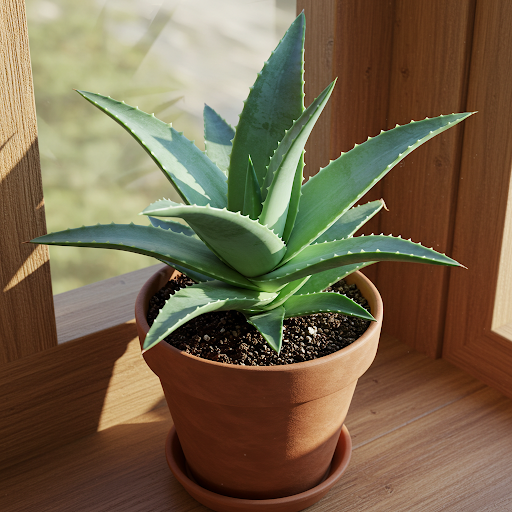
Planter Material: The material of your planter can affect drainage and weight. For example, terracotta pots dry out faster than plastic pots.
Location: Consider where your planter will be located (indoors or outdoors) and choose fillers and soil accordingly.
By following these steps, you can create a beautiful and healthy home for your plants in your decorative planter.
By greenship|2024-08-16T06:16:39+00:00August 16, 2024|Categories: Classic Sculpture Series|
By greenship|2024-08-16T06:06:19+00:00August 16, 2024|Categories: Classic Sculpture Series|
By greenship|2024-09-07T01:46:42+00:00September 7, 2024|Categories: Classic Sculpture Series|
By greenship|2024-09-13T06:57:00+00:00September 7, 2024|Categories: Classic Sculpture Series|
By greenship|2024-09-07T01:45:15+00:00September 7, 2024|Categories: Classic Sculpture Series|
By greenship|2024-09-07T01:58:42+00:00September 7, 2024|Categories: Classic Sculpture Series|
1


Comments