What Are Self-Watering Planters?
- greenshipgardenus.com
- Jan 15, 2025
- 2 min read

Self-watering planters are innovative containers designed to provide plants with a consistent and gradual water supply. They are a convenient solution for plant enthusiasts who want to reduce the frequency of watering while promoting healthy plant growth.
How Do Self-Watering Planters Work?
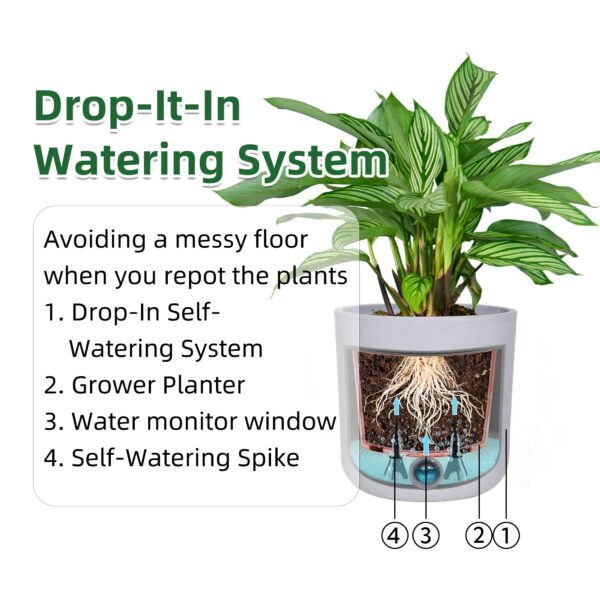
Self-watering planters feature a unique design that ensures plants can access water as needed:
Built-In Reservoir
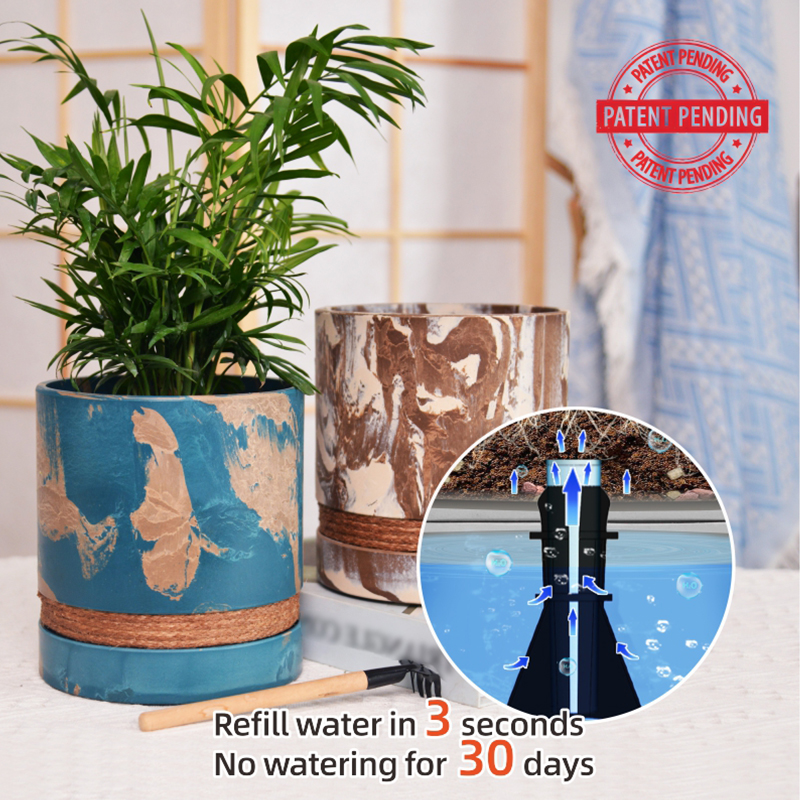
A water reservoir is located at the bottom of the planter, storing water for the plant to use over time.
Wicking System
A wick, often made of fabric or other porous material, draws water from the reservoir to the soil, maintaining consistent moisture.
Soil and Roots
The plant’s roots absorb water directly from the soil as needed, ensuring they receive an even and adequate water supply.
Key Features of Self-Watering Planters
Reduced Watering Frequency
The reservoir system means you water less often, making plant care more convenient.
Consistent Moisture Levels
The wicking system provides steady moisture, reducing the stress caused by fluctuating wet and dry periods.
Prevention of Overwatering
By separating the water reservoir from the soil, self-watering planters help prevent waterlogged soil and root rot.
Types of Self-Watering Planters
Reservoir with Wick
The most common design, featuring a built-in reservoir and wick to transfer water to the soil.
Sub-Irrigation Systems
Water is added to a tray or reservoir beneath the planter, allowing roots to draw moisture through the drainage holes.
Hydroponic Systems
A specialized type of self-watering planter that uses nutrient-rich water to nourish plant roots directly.
Benefits of Self-Watering Planters
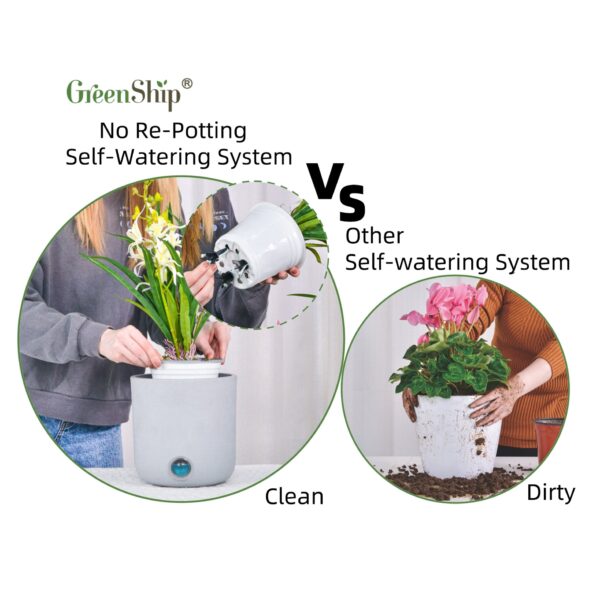
Convenience
Perfect for people with busy schedules or those who travel frequently, as these planters require less frequent watering.
Healthier Plants
The consistent moisture supply supports healthier root systems and reduces plant stress.
Water Conservation
Self-watering planters minimize water waste by reducing runoff and evaporation.
Important Considerations
Plant Selection
Not all plants thrive in consistently moist soil. Self-watering planters are ideal for plants that prefer steady moisture, such as tropical plants, herbs, and certain vegetables. Drought-tolerant plants like succulents and cacti are less suited to this setup.
Regular Maintenance
To prevent algae, bacteria, or salt buildup, the reservoir and wick should be cleaned periodically.
Monitoring Soil Moisture
Although self-watering planters reduce watering frequency, it’s essential to occasionally check the soil moisture and refill the reservoir when needed.
By greenship|2024-03-26T01:16:38+00:00March 25, 2024|Categories: HomeOasis Self-Watering System|
By greenship-seo|2025-01-07T14:30:51+00:00January 6, 2025|Categories: HomeOasis Self-Watering System|Tags: Decorative Flower Pots, Self-Watering Pots|
By greenship|2024-03-26T01:16:50+00:00March 25, 2024|Categories: HomeOasis Self-Watering System|
1


Comments